Harper Werner · 16 October 2026
Tracing the Impact of Volunteer Training Programs on Data Quality in Coastal Ecosystem Databases
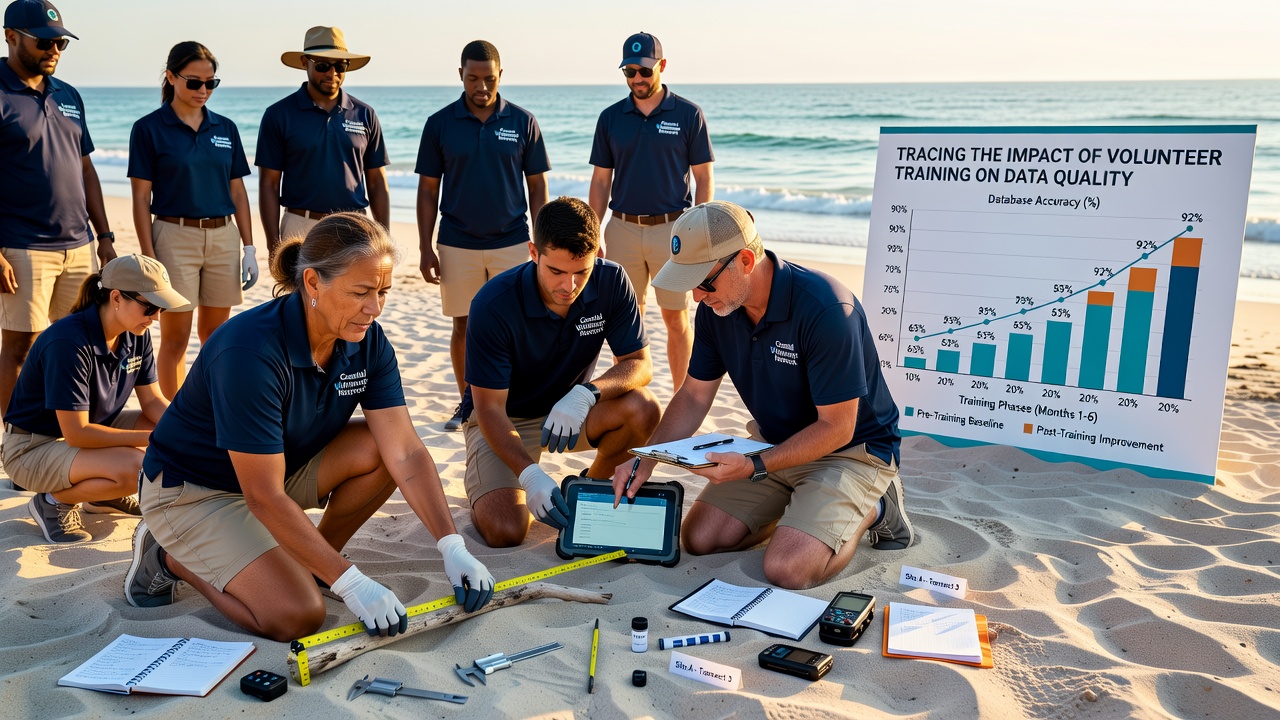
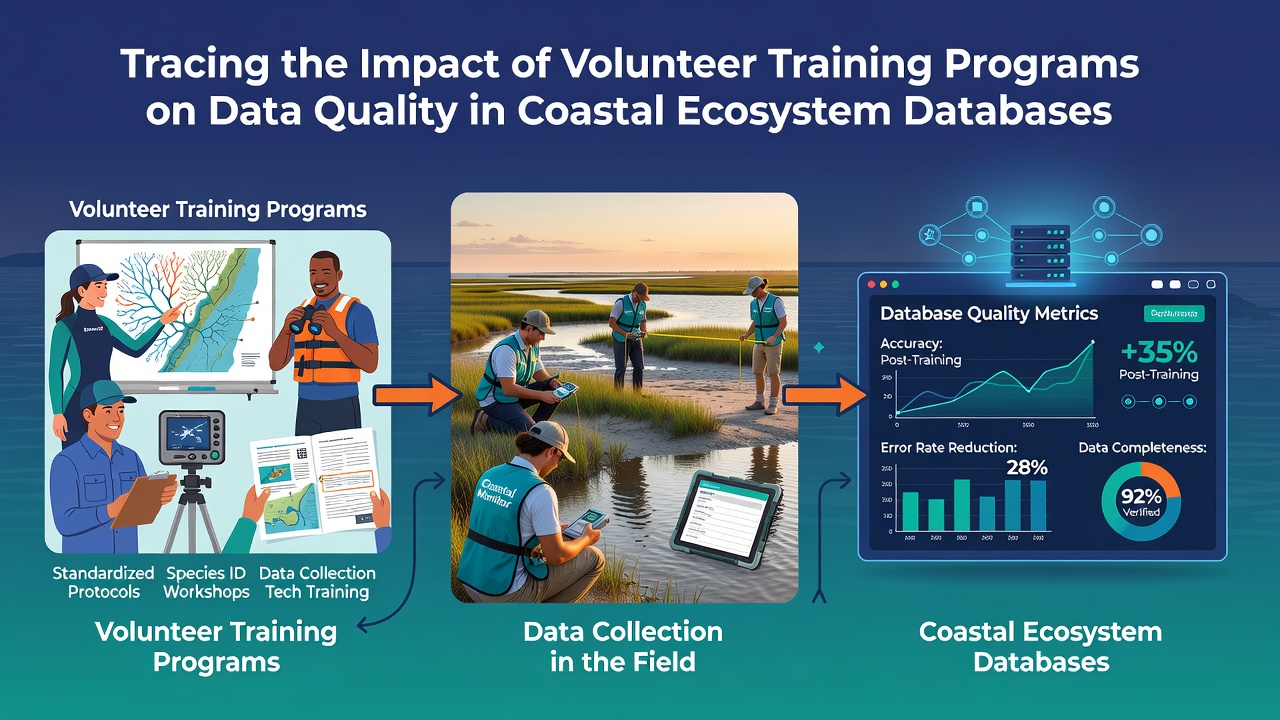
Coastal ecosystem databases compile observations on water chemistry, species distributions, sediment composition, and habitat changes across shorelines worldwide, and volunteer training programs have become central to maintaining those records. Researchers track how structured instruction in sampling protocols, equipment calibration, and species identification affects the accuracy and completeness of entries submitted by non-professional contributors. Data from multiple regional monitoring networks show measurable differences between datasets gathered before and after training initiatives, with error rates in species counts dropping by 15 to 30 percent in several long-running projects.
Structure of Training Initiatives
Training programs typically combine classroom sessions on data standards with field exercises that replicate actual collection conditions, and participants practice recording variables such as salinity, pH, and macroalgae cover under supervision. Organizations coordinate these efforts through modules that last from one to three days, followed by refresher workshops every six months. Studies conducted by coastal research groups indicate that volunteers who complete both initial and refresher components submit records with fewer missing fields and lower rates of misclassified taxa than those who receive only introductory materials.
Measurement of Data Quality Outcomes
Quality assessments rely on metrics that include spatial precision of geotagged entries, consistency between duplicate samples taken at the same site, and agreement rates with expert-verified subsets. When training emphasizes GPS use and standardized metadata entry, the percentage of records falling within acceptable coordinate tolerances rises from roughly 72 percent to 91 percent across monitored estuaries. Automated validation scripts flag outliers, allowing project managers to quantify how training reduces the need for post-submission corrections.
Regional Comparisons and Recent Developments
Networks operating along the Pacific coast of North America and the Baltic Sea coasts of northern Europe report parallel improvements after introducing competency-based assessments at the end of each training cycle. Figures released by the National Oceanic and Atmospheric Administration in early 2026 documented a 22 percent increase in usable records from trained volunteers in California and Oregon monitoring sites. Meanwhile, Australian coastal programs tracked similar gains after adopting shared online modules that align with international data formats.
Observers note that October 2026 marks the first full year in which several databases incorporated mandatory digital training certificates before granting upload access, and preliminary audits show a further decline in duplicate entries and taxonomic mismatches. These changes coincide with expanded use of mobile applications that embed training reminders directly into the data entry interface.
Long-Term Effects on Database Reliability
Longitudinal analyses reveal that databases incorporating trained volunteers sustain higher overall completeness scores over multi-year periods, particularly for time-sensitive indicators such as harmful algal bloom occurrences and shoreline erosion rates. When training includes guidance on temporal sampling intervals, the proportion of records meeting minimum frequency requirements climbs steadily. Research teams at several universities have cross-referenced volunteer data against satellite imagery and professional surveys, confirming that trained submissions align more closely with independent measurements than untrained ones.
Training also influences retention patterns, with participants who receive ongoing feedback submitting data for longer average durations than those without structured support. This continuity reduces gaps in seasonal coverage that previously limited trend detection in temperature and biodiversity datasets.
Integration with Professional Monitoring
Many programs now pair volunteer teams with professional scientists during joint field days, allowing direct comparison of techniques and immediate correction of procedural drift. Such hybrid approaches have produced hybrid datasets that meet standards required for peer-reviewed publications and regulatory reporting. Evidence from joint European and North American projects shows that combined records improve the statistical power of models predicting sea-level impacts on salt marshes and seagrass beds.
Conclusion
Coastal ecosystem databases continue to evolve as training programs refine the contributions of volunteers, and ongoing evaluations track how these investments translate into higher-quality records available for research and management decisions. The patterns emerging through 2026 underscore the value of systematic instruction in sustaining reliable environmental monitoring across diverse coastal regions.