Carlo Jung · 2 October 2026
How Verification Mechanisms Shape Participation Rates in Specialized Online Environmental Databases
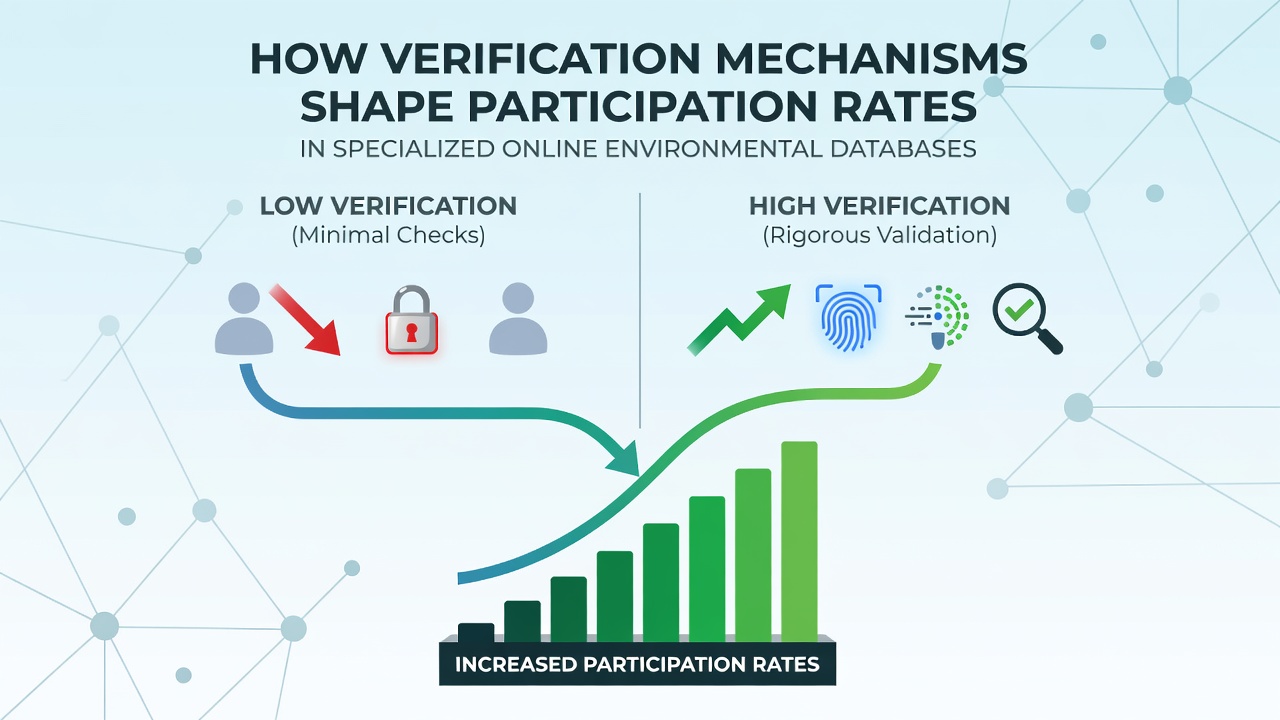
Specialized online environmental databases rely on verification mechanisms to maintain data integrity while determining who contributes and how often, and these systems range from basic email confirmations to multi-stage expert reviews that directly influence sign-up volumes and ongoing activity levels. Platforms collecting biodiversity records, air quality readings, or habitat observations implement such checks to filter submissions, yet the design of each step creates measurable effects on user numbers according to aggregated platform metrics released through 2026.
Core Verification Approaches in Environmental Platforms
Most databases start with account creation steps that include email validation or CAPTCHA challenges, and these initial gates reduce bot traffic while also lowering completion rates for casual visitors who abandon forms midway through the process. Advanced systems add layers such as phone verification or location-based checks that confirm users operate within defined geographic areas, and data from multiple platforms shows participation often drops 15 to 30 percent when these requirements appear during onboarding. Researchers tracking citizen science portals note that automated validation tools, which cross-reference submitted coordinates against satellite imagery or existing records, tend to sustain higher retention once users clear the first hurdle because feedback arrives quickly and encourages repeat contributions.
Expert and Community Review Layers
Many environmental databases incorporate human oversight where moderators or peer networks evaluate submissions for accuracy, and this approach appears in systems focused on rare species sightings or pollution incidents where false reports carry high stakes. Observers have documented that platforms using tiered verification, where new users face stricter scrutiny until they accumulate approved entries, experience slower initial growth yet steadier long-term activity from verified contributors. In October 2026 reports compiled by North American environmental agencies highlighted how such graduated systems correlated with a 22 percent increase in high-quality data uploads compared to open-registration models, even as total registered accounts remained lower.
Geographic and institutional affiliations sometimes trigger additional checks, such as affiliation with research institutions or government permits, and these requirements channel participation toward professional users while limiting broader public involvement. Australian government environmental monitoring programs, for instance, integrate permit-linked verification that restricts database access to licensed observers, resulting in concentrated but reliable datasets from specific regions.
Measured Effects on User Engagement Metrics
Analytics from environmental data repositories reveal consistent patterns where stricter verification correlates with reduced participation rates at the entry point, although quality-adjusted activity often rises among those who complete the process. One analysis of European biodiversity platforms indicated that adding a two-factor authentication step decreased new registrations by nearly 40 percent in the first quarter after implementation, while average submissions per active user increased by 18 percent over the same period. Canadian research networks tracking similar databases found that simplified verification paired with immediate data visualization tools helped offset initial drop-offs, maintaining broader user bases without sacrificing core accuracy standards.
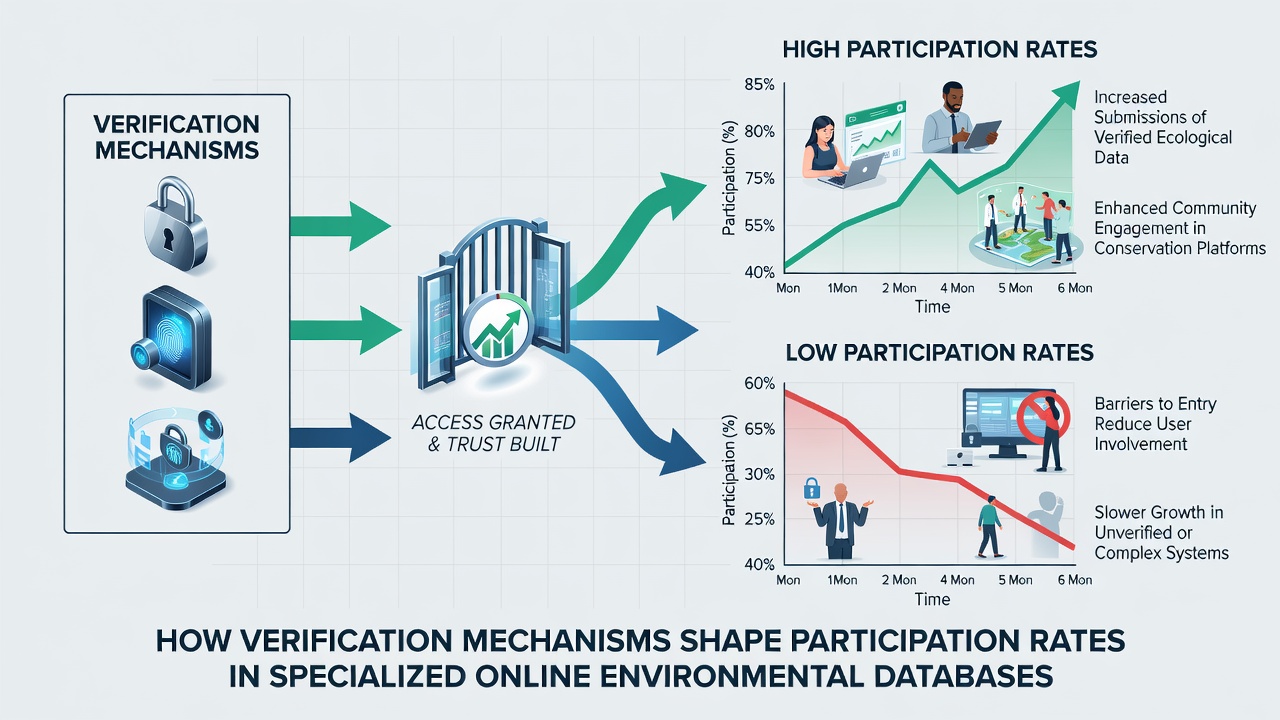
Seasonal variations also interact with verification design, as users tend to engage more during peak observation periods like spring migrations or summer field seasons, yet complex approval workflows can interrupt momentum if reviews lag behind submission volume. Platforms that provide transparent status updates during verification phases retain more participants through these cycles, according to longitudinal studies conducted across multiple continents.
Comparative Platform Outcomes and Regional Differences
Databases operated by academic consortia often favor rigorous verification that prioritizes data provenance, whereas government-hosted systems sometimes balance accessibility with compliance requirements to encourage wider reporting. A collaborative study involving institutions in the United States and the European Union demonstrated that hybrid models, combining automated checks with optional expert review for flagged entries, achieved participation rates 12 percent higher than fully manual systems while preserving comparable data reliability scores. Those tracking these trends note that regional regulations on data privacy and user consent further shape verification choices, with stricter European frameworks prompting more layered processes than lighter-touch approaches seen elsewhere.
Take one mid-sized pollution reporting database that introduced community-vetted verification in 2025; submission volumes stabilized after an initial decline, and contributors who persisted showed higher repeat engagement rates in subsequent monitoring periods. Such adjustments illustrate how verification mechanisms function as both gatekeepers and quality signals that influence whether participants view the platform as worthwhile for sustained involvement.
Conclusion
Verification mechanisms continue to define participation dynamics across specialized environmental databases by balancing accessibility against data standards, and ongoing platform adjustments through late 2026 reflect efforts to calibrate these systems for optimal user volumes alongside reliable outputs. Evidence from diverse regional implementations shows that incremental refinements in verification design produce measurable shifts in both registration numbers and contribution frequency, guiding future development of these critical data resources.